
art of glass making
Glass is one of the most useful and beautiful materials used by humans. We see glass every day in windows, mirrors, bottles, mobile phones, decorative items, art of glass and many other products and timeless art of making glass . However, many people do not know how to create a art of glass is made or the artistic skill involved in creating.
Glass works refers to the process of designing, shaping, manufacturing, and decorating objects made from glass. It combines science, craftsmanship, creativity, and technology to produce both functional and artistic items. Now a days glass materials are used in making kitchen items.
From ancient civilizations to modern industries, glass making has played an important role in human history. Today, glass works continues to be an important industry and an admired form of art.
what is glass?
Glass works is the art and process of manufacturing and shaping the art of glass into various products and decorative items. The process involves heating raw materials such as silica sand, soda ash, and limestone at extremely high temperatures until they melt and form molten glass. This molten glass can then be shaped, blown, molded, carved, or decorated to create different objects.
Glass works can range from simple household products such as drinking glass and windows to intricate artistic creations such as sculptures, stained glass artworks, and decorative ornaments.
What Is Glass Work?
Glass work is the process of creating products and art of glass works using glass materials. It includes both industrial manufacturing and artistic craftsmanship.
Glass works involve:
- Designing
- Heating
- Melting
- Shaping
- Decorating
- Cooling glass products
Glass artists and manufacturers create a wide variety of items for homes, businesses, and artistic purposes.
History of Glass Making
The history of glass making dates back over 4,000 years. Ancient civilizations, including the Egyptians and Romans, were among the first to develop glass-making techniques. Early glass objects were mainly used for decoration and religious purposes.
During the Roman Empire, glass-blowing techniques were invented, revolutionizing the industry and making glass products more accessible and fascinating process of glass manufacturing. Over time, glass making spread throughout Europe, Asia, and the rest of the world, evolving into both a respected craft and a major industrial sector.
Today, glass works combines traditional handcrafted methods with advanced manufacturing technologies.
How Is Glass Made?
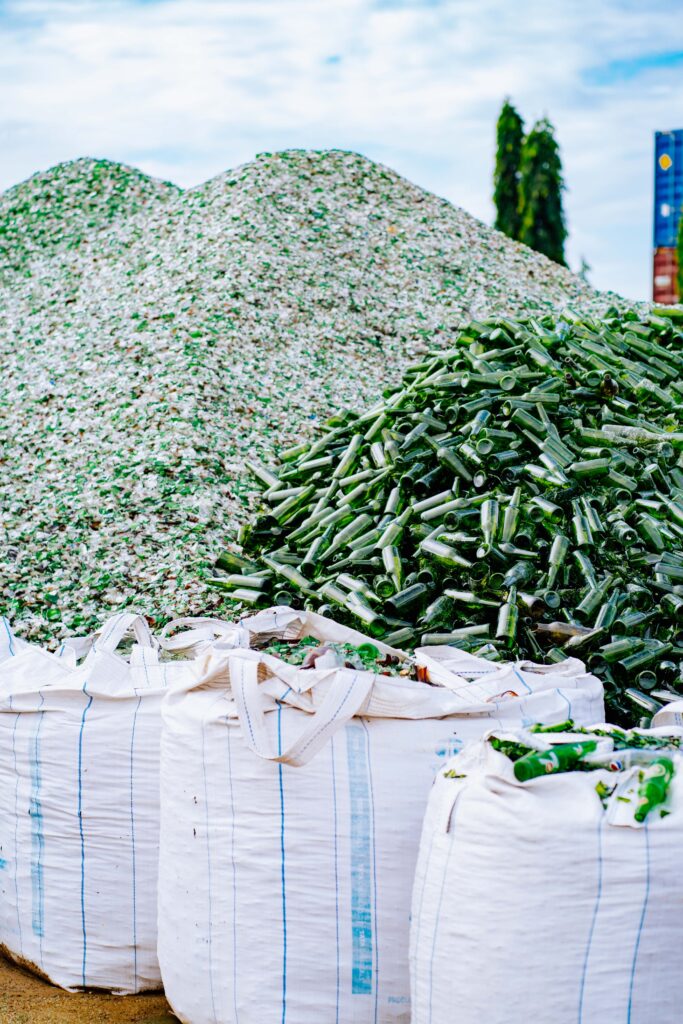
Step 1: Collecting Raw Materials
The main ingredients include:
- Silica sand
- Soda ash
- Limestone
These materials are carefully measured and mixed together.
Step 2: Heating
The mixture is heated in a furnace at temperatures above 1700°C. At this temperature, the materials melt and become liquid glass. Maintaining the correct temperature is crucial because overheating can damage the art of glass, while insufficient heating can make it difficult to shape properly.
Step 3: Shaping the Glass
Glass Blowing
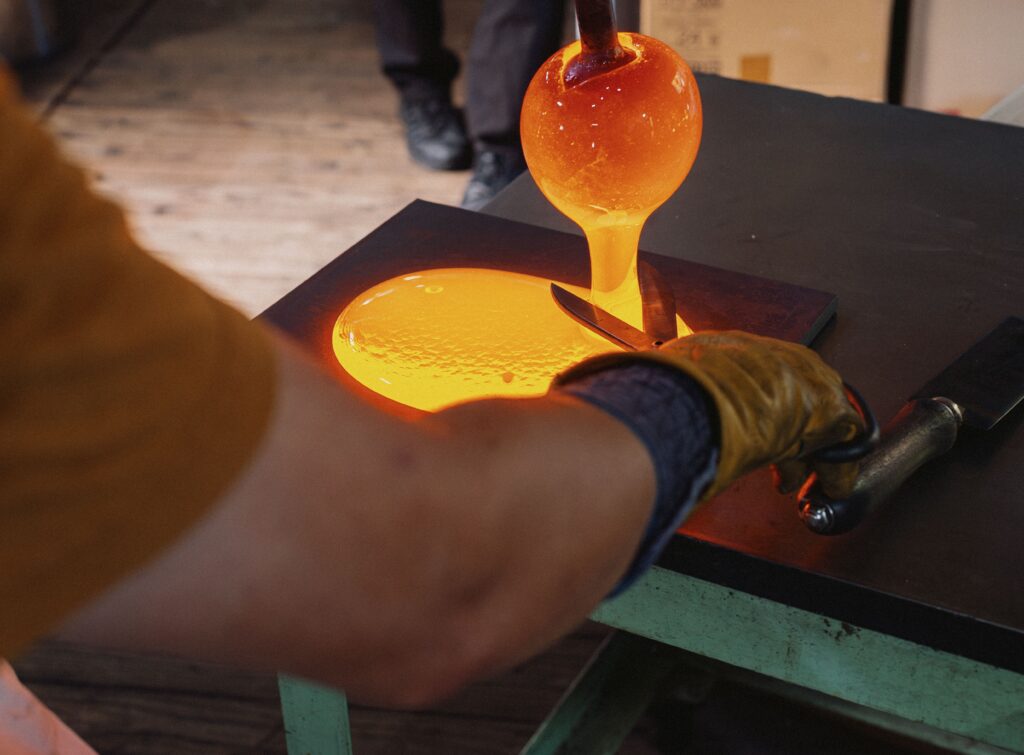
Artists blow air into molten glass to create shapes. Glass blowing requires a high level of skill, precision, creativity, and experience, as the artist must carefully control the temperature, shape, and thickness of the glass. One of the unique aspects of glass blowing is that each handcrafted piece is often one-of-a-kind, making it highly valued as an art form.
Pressing
Machines press the art of glass into molds. The pressing process is commonly used to make items such as glass plates, bowls, cups, decorative ornaments, lenses, and lighting fixtures. One of the main advantages of glass pressing is its ability to produce detailed patterns and textures directly from the mold. It is also an efficient and cost-effective method for producing large quantities of glass products.
Casting
Liquid glass is poured into molds. The glass takes the shape of the mold and is then carefully cooled and hardened. Glass casting allows artists and manufacturers to create complex designs, sculptures, decorative items, ornaments, and architectural pieces that may be difficult to produce using other methods.
Rolling
Glass is flattened into sheets. The rollers can be smooth or patterned, allowing manufacturers and artists to create different surface designs and decorative effects. Rolling helps produce uniform glass sheets that are commonly used for windows, mirrors, decorative panels, and architectural applications.
Step 4: Cooling
The cooling process is one of the most important stages in glass work because it determines the strength, durability, and quality of the final product. After the glass has been heated and shaped, it cannot be cooled too quickly, as sudden temperature changes can cause the glass to crack, break, or shatter. To prevent this, glass artists use a controlled cooling process called annealing, in which the glass is gradually cooled inside a special oven known as an annealing kiln.
Step 5: Finishing and Decoration
Finishing techniques improve the durability and clarity of the glass, while decorative methods add creativity and elegance. Whether used in sculptures, stained-glass windows, decorative vases, mirrors, or architectural designs, finishing and decorative techniques play a crucial role in transforming ordinary glass into beautiful art of glass.
Types of Glass Works
1. Glass blowing
Glass blowing is one of the oldest and most artistic forms of glass making. Glass blowing is one of the most popular forms art of glass. Artists use a long metal pipe to blow air into molten glass, creating beautiful shapes such as vases, bowls, ornaments, and sculptures.
2. Stained Glass
Stained glass uses colored pieces of glass to create artistic designs. Stained glass involves coloring pieces of glass and assembling them into artistic designs. These artworks are commonly seen in churches, museums, and decorative windows.
3. Glass Engraving
This process involves carving designs onto glass surfaces.
Examples include:
- Decorative mirrors
- Awards
- Personalized gifts
4. Fused Art of glass
Different pieces of glass are heated and fused together to create artistic objects. Fused glass is created by heating multiple pieces of glass together until they melt and fuse into a single artistic design. This technique is often used for jewelry, plates, and decorative art pieces.
5. Industrial Glass Manufacturing
Large factories produce glass products such as:
- Windows
- Bottles
- Mirrors
- Mobile phone screens
- Automobile glass
Uses of Glass in Daily Life
Glass plays an important role in everyday life. Common uses include:
Home use
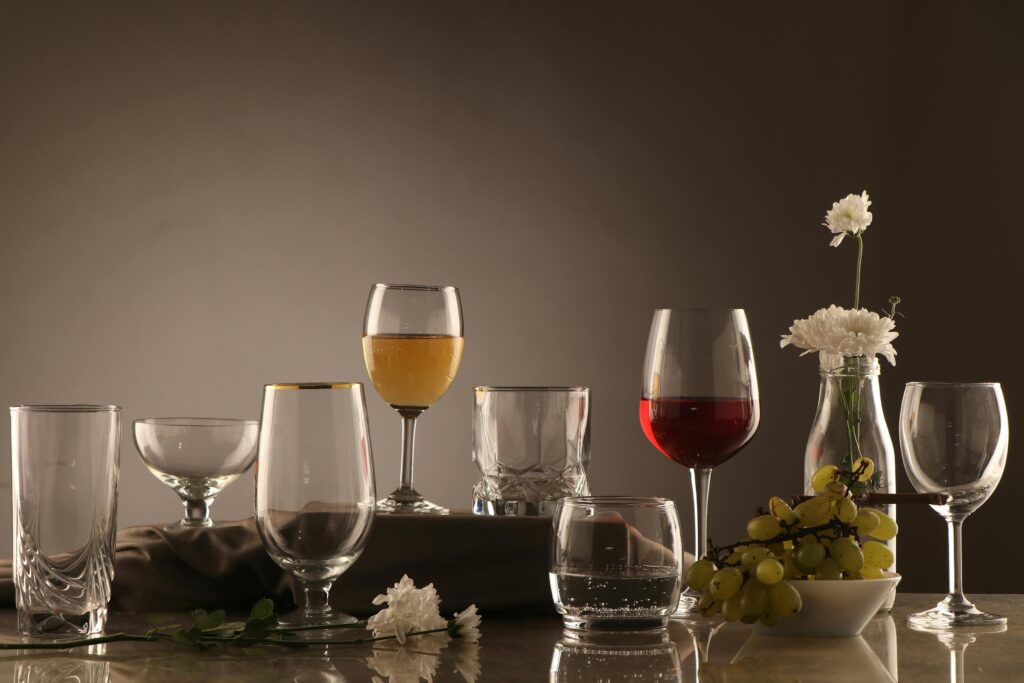
Glass is widely used in windows, doors, mirrors, tabletops, decorative items, lighting fixtures, and kitchenware. Decorative glass art, such as stained-glass panels, glass sculptures, and handcrafted vases, enhances the aesthetic appeal of living spaces and adds elegance to home interiors. Glass windows and doors allow natural light to enter the home, creating a brighter and more comfortable environment while helping to save energy.
Technology
These technologies allow artists to experiment with complex shapes, patterns, and colors that were once difficult to achieve using traditional methods. In addition, techniques such as 3D modeling, computerized glass cutting, and automated manufacturing have improved accuracy and reduced production time. Technology has also enhanced safety by providing better equipment for handling high temperatures and delicate materials.
Construction into art of glass
Modern construction glass is designed to provide insulation, reduce noise, and improve safety through technologies such as tempered glass, laminated glass, and energy-efficient glazing. art Glass also enhances the visual appearance of buildings by giving them a modern, elegant, and spacious look
Medical Field
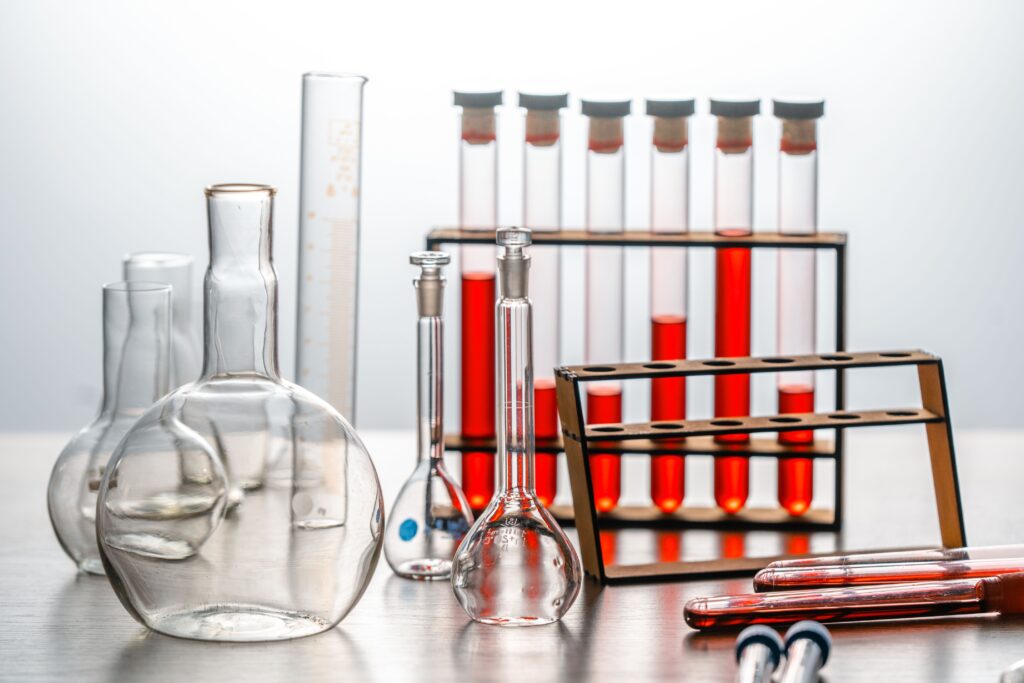
Medical-grade the art of glass is widely used in hospitals, laboratories, and healthcare facilities for various purposes. It is used to manufacture laboratory equipment such as test tubes, beakers, microscopes, petri dishes, and scientific instruments because glass does not react with most chemicals and can withstand high temperatures during sterilization. In the pharmaceutical industry, glass is used to produce medicine bottles, vaccine vials, ampoules, and syringes to ensure the safe storage and transportation of medications.
Art and Decoration
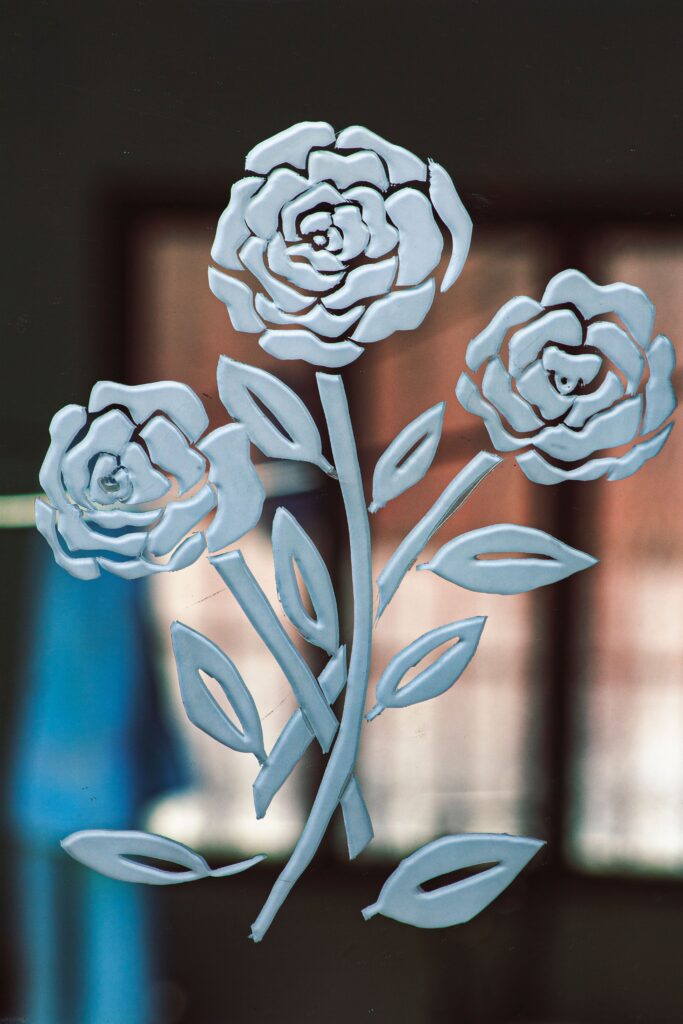
Artists use glass to create a wide variety of decorative items, including sculptures, vases, chandeliers, ornaments, stained-glass windows, mirrors, and wall art. One of the unique features of glass art is its ability to reflect, refract, and transmit light, creating beautiful colors, patterns, and shadows that enhance the appearance of any space.
Benefits of Glass Works
One of the greatest advantages of glass work is that it encourages creativity and artistic expression, allowing artists to create unique and beautiful designs using various colors, shapes, and techniques. Glass artwork also enhances the beauty of homes, offices, museums, and public spaces by adding elegance and visual appeal.
Another important benefit is that glass work helps preserve traditional craftsmanship and cultural heritage by passing artistic skills from one generation to another. In addition, the glass industry creates employment opportunities for artists, designers, manufacturers, and skilled craftsmen around the world.
Challenges in Glass Making
Creating glass art is a beautiful but highly challenging process that requires skill, patience, and precision. One of the biggest challenges glass artists face is working with extremely high temperatures, as molten glass must be heated to over 1,000°C, making the process both physically demanding and potentially dangerous. Glass is also a fragile material that can crack, break, or shatter if it is not heated and cooled properly. Artists must have excellent timing and concentration because even a small mistake in shaping, coloring, or cooling the glass can ruin hours or even days of work.
In addition, mastering glass-making techniques such as glass blowing, fusing, etching, and sculpting takes years of practice and experience. The cost of specialized equipment, including furnaces, kilns, and tools, can also be expensive, making glass art difficult for beginners to pursue. Despite these challenges, many artists continue to create glass art because they are passionate about transforming a delicate material into stunning and meaningful works of art.
Why People Love Glass Art
Glass art is more than just decoration—it is a celebration of human creativity, artistic skill, and the timeless beauty of light and color.
People love glass art not only because it is visually attractive but also because it represents creativity, craftsmanship, emotion, and innovation. Every glass artwork tells a story and reflects the skill and dedication of the artist who created it.
Conclusion
Glass works is a fascinating combination of art, science, and craftsmanship. From simple drinking glasses to beautiful sculptures and modern buildings, glass plays an essential role in our daily lives.
The process of creating glass requires creativity, patience, technical knowledge, and artistic talent. Whether used for practical purposes or artistic expression, glass remains one of the most important and beautiful materials ever created by humans.
Understanding glass works helps us appreciate the skill, effort, and creativity involved in transforming simple raw materials into useful and artistic creations.